Iran Crisis Escalates: Over 3,400 Iranians Killed in War
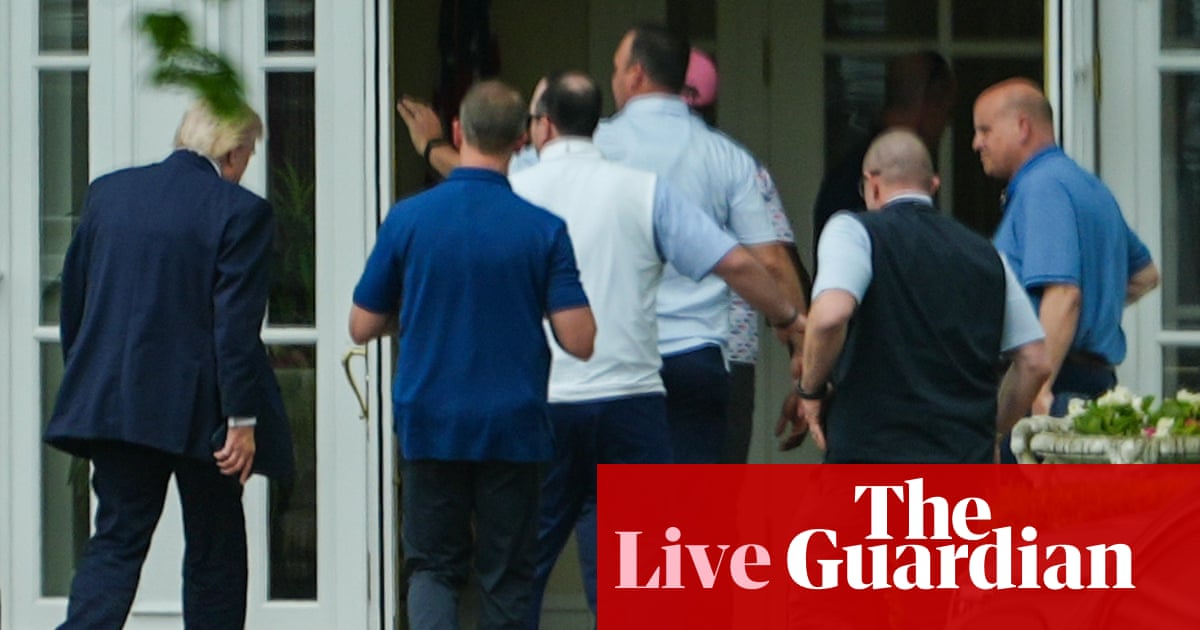
The **Middle East crisis** has intensified, with over **3,400 Iranians** killed in the ongoing war. The conflict has sparked a global response, with **Donald Tr
Summary
The **Middle East crisis** has intensified, with over **3,400 Iranians** killed in the ongoing war. The conflict has sparked a global response, with **Donald Trump** convening a White House Situation Room meeting to discuss the crisis. The situation is further complicated by Iran's warning that it will close the **Strait of Hormuz** if the US blockade continues. This development has significant implications for global trade and energy security. The crisis is closely tied to the [[iran-us-relations|Iran-US relations]] and the [[middle-east-geopolitics|Middle East geopolitics]]. The international community is watching the situation closely, with many calling for a peaceful resolution to the conflict. The [[united-nations|United Nations]] has issued a statement urging restraint and diplomacy.
Key Takeaways
- The conflict in the Middle East has resulted in over 3,400 Iranian deaths.
- Iran has warned that it will close the Strait of Hormuz if the US blockade continues.
- The situation has significant implications for global energy security and trade.
- The international community is divided on how to respond to the crisis.
- A peaceful resolution to the conflict is essential to prevent further human suffering and to stabilize the global economy.
Balanced Perspective
The situation in the Middle East is complex and multifaceted, with various factors contributing to the escalation of the conflict. The **US blockade** has had a significant impact on Iran's economy, leading to widespread suffering among the civilian population. At the same time, Iran's warning to close the **Strait of Hormuz** has raised concerns about global energy security and trade. The international community is divided on how to respond to the crisis, with some calling for **military intervention** and others advocating for **diplomatic efforts**. The [[middle-east-history|Middle East history]] and the [[iran-iraq-war|Iran-Iraq War]] provide context for understanding the current situation.
Optimistic View
Despite the escalation of the conflict, there are still opportunities for **diplomacy** and a peaceful resolution. The international community, including the **European Union**, is working to facilitate dialogue between the parties involved. A peaceful resolution would not only save lives but also help to stabilize the global economy. The [[iran-nuclear-deal|Iran nuclear deal]] could serve as a model for future negotiations. Furthermore, the crisis has highlighted the need for **regional cooperation** and the importance of **international law** in resolving conflicts.
Critical View
The conflict in the Middle East has the potential to escalate into a **full-scale war**, with devastating consequences for the region and the world. The **US-Iran tensions** are at an all-time high, and the situation is further complicated by the involvement of other regional players, such as **Saudi Arabia** and **Israel**. The closure of the **Strait of Hormuz** would have a significant impact on global trade and energy security, leading to **economic instability** and potentially even **global recession**. The [[syria-civil-war|Syria civil war]] and the [[yemen-civil-war|Yemen civil war]] demonstrate the devastating consequences of prolonged conflict in the region.
Source
Originally reported by The Guardian